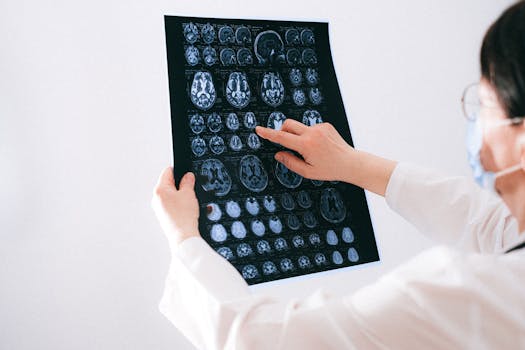

It’s remarkable to consider that just a few decades ago, a cancer diagnosis often felt like an insurmountable hurdle. Today, while the fight is far from over, the landscape of cancer treatment is undergoing a seismic shift, driven by an explosion of innovation. The sheer pace at which the latest research on cancer treatment is progressing is nothing short of astonishing, offering new avenues of hope and significantly improving outcomes for countless individuals. We’re moving beyond brute-force approaches to increasingly sophisticated, personalized strategies that target cancer’s unique molecular signatures.
What truly excites me about this field is the shift from a one-size-fits-all mentality to therapies that are as unique as the patients they aim to heal. It’s like finally finding the right key for a particularly stubborn lock. Let’s explore some of the most compelling frontiers in this dynamic arena.
The Resurgence of the Immune System: Immunotherapy’s Evolving Frontier
Immunotherapy has been a true game-changer, essentially teaching our own bodies to recognize and attack cancer cells. While checkpoint inhibitors have been a cornerstone, the latest research is pushing the boundaries even further. We’re seeing a surge in studies exploring novel targets for these inhibitors, aiming to overcome resistance mechanisms that some cancers develop.
Beyond existing classes, CAR T-cell therapy continues to evolve, moving beyond blood cancers to tackle solid tumors. This involves genetically engineering a patient’s own T-cells to specifically hunt down and destroy cancer cells. It’s an incredibly powerful concept, and researchers are working diligently to improve its efficacy and reduce potential side effects. Furthermore, we’re seeing more sophisticated combinations of immunotherapies and even synergistic approaches combining immunotherapy with traditional treatments like chemotherapy or radiation. The question isn’t just if immunotherapy works, but how can we make it work better and for more people.
Precision Medicine: Tailoring Treatment to Your Genetic Blueprint
Perhaps one of the most significant paradigm shifts in the latest research on cancer treatment is the widespread adoption of precision medicine. This approach hinges on understanding the specific genetic mutations driving a patient’s cancer. By identifying these unique molecular alterations, oncologists can select targeted therapies that are designed to interrupt those specific pathways, often with fewer side effects than conventional treatments.
The advancements in next-generation sequencing (NGS) have made comprehensive genomic profiling more accessible and affordable than ever before. This allows for a much deeper understanding of a tumor’s molecular landscape. However, the challenge remains: how do we translate this vast amount of genetic information into actionable treatment decisions? Researchers are not only identifying new targets but also developing predictive biomarkers that can tell us which patients are most likely to respond to specific targeted therapies. It’s a complex puzzle, but each piece identified brings us closer to truly personalized cancer care.
Harnessing the Power of Artificial Intelligence in Oncology
The integration of Artificial Intelligence (AI) is perhaps one of the most exciting and rapidly developing areas within the latest research on cancer treatment. AI’s ability to process and analyze massive datasets at speeds far exceeding human capacity is proving invaluable across the entire cancer care continuum.
From early detection and diagnosis, where AI algorithms can identify subtle patterns in medical images that might be missed by the human eye, to predicting treatment response and even discovering novel drug targets, AI is becoming an indispensable tool. Imagine AI systems that can analyze a patient’s entire medical history, genomic data, and even lifestyle factors to recommend the most optimal and personalized treatment plan. We’re seeing promising developments in AI-driven drug discovery, where algorithms can sift through millions of compounds to identify potential new cancer-fighting agents. This is not about replacing human expertise, but rather augmenting it, providing clinicians with powerful insights to make even better-informed decisions.
Beyond Conventional Therapies: Emerging Innovations
The innovation doesn’t stop with immunotherapy and precision medicine. The latest research on cancer treatment is also exploring entirely new modalities and refining existing ones:
Oncolytic Viruses: These are viruses that are engineered to specifically infect and kill cancer cells while sparing healthy ones. They can also trigger an immune response against the tumor.
Liquid Biopsies: These minimally invasive tests analyze DNA fragments shed by tumors into the bloodstream. They hold immense potential for early detection, monitoring treatment response, and identifying recurrence.
Epigenetic Therapies: These treatments target changes in gene expression that are not caused by alterations in the DNA sequence itself. This offers another layer of intervention for cancers that might be resistant to other forms of treatment.
Advanced Radiotherapy Techniques: Innovations like proton therapy and stereotactic radiosurgery offer more precise ways to deliver radiation, minimizing damage to surrounding healthy tissues.
The Road Ahead: Challenges and Optimism
While the progress is undeniably exciting, it’s crucial to acknowledge the challenges. The complexity of cancer, its ability to adapt and evolve, means that no single treatment is a silver bullet. Furthermore, ensuring equitable access to these cutting-edge therapies remains a significant hurdle.
However, the relentless curiosity and dedication of researchers worldwide are paving the way for a future where cancer is managed more effectively, with better quality of life for patients. The latest research on cancer treatment isn’t just about finding cures; it’s about understanding cancer at its most fundamental level and using that knowledge to empower the human body’s own defenses and precisely dismantle disease. It’s an ongoing expedition, and the discoveries ahead promise to redefine what’s possible in the fight against cancer.
Wrapping Up: A Future Bright with Possibility
The rapid advancements in the latest research on cancer treatment offer a powerful testament to human ingenuity and our unwavering commitment to overcoming disease. From harnessing the immune system’s power to decoding our genetic makeup and leveraging the analytical might of AI, the strategies are becoming increasingly sophisticated and personalized. It’s truly a pivotal time in oncology. While the journey is complex and requires continued dedication, the trajectory points towards a future where cancer is not only more treatable but potentially preventable for many. The exploration continues, and with each new discovery, the horizon of hope expands.
About the Author