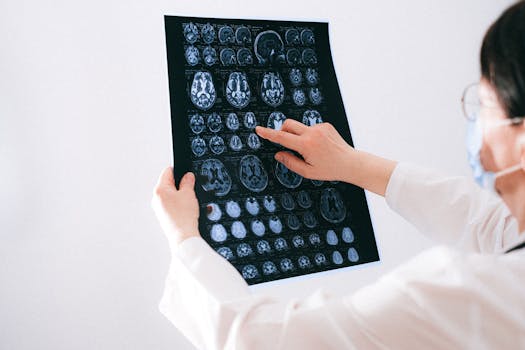
Imagine a medical puzzle, where the pieces are tiny, the patterns are intricate, and the solution is often elusive. This is the reality for many families navigating the landscape of rare genetic disorders. While the term “rare” suggests infrequent occurrences, their collective impact is significant, affecting millions worldwide. Understanding these conditions requires moving beyond a superficial definition to grasp the profound biological, diagnostic, and emotional complexities involved. This article aims to provide a more analytical and in-depth perspective on rare genetic disorders explained, moving past common explanations to explore the nuanced realities.
The Labyrinth of Causation: Beyond a Single Gene Defect
When we discuss rare genetic disorders, it’s tempting to think of a straightforward cause-and-effect: one faulty gene leads to a specific condition. While this holds true for some, the reality is far more multifaceted. Many rare genetic disorders arise from:
Complex Gene Interactions: Several genes may collaborate, and a subtle disruption in one can cascade through the system, leading to unexpected phenotypes. This intricate network is what makes predicting outcomes so challenging.
Epigenetic Modifications: These are changes that affect gene expression without altering the underlying DNA sequence. Environmental factors or random cellular processes can trigger these modifications, sometimes manifesting as a rare disorder even in the absence of a primary genetic mutation.
Chromosomal Abnormalities: Beyond single gene mutations, larger-scale changes involving entire chromosomes or significant segments can lead to a broad spectrum of rare conditions. Think of duplications, deletions, or translocations of chromosomal material.
Mitochondrial DNA Mutations: Our mitochondria, the powerhouses of our cells, have their own DNA. Mutations here can affect energy production and impact tissues with high energy demands, such as the brain and muscles, leading to distinct rare disorders.
It’s fascinating to consider how a minuscule alteration at the DNA level can translate into such profound and varied physiological consequences. In my experience, focusing solely on the gene itself often misses the broader biological context.
Navigating the Diagnostic Odyssey: The Quest for an Answer
The journey to a diagnosis for a rare genetic disorder is often a prolonged and emotionally taxing odyssey. For patients and their families, this period can be characterized by:
A Spectrum of Undiagnosed Symptoms: Presenting symptoms can be vague, overlapping with more common conditions, or highly specific yet unrecognized by clinicians. This diagnostic ambiguity is a hallmark of rare diseases.
Limited Clinician Awareness: Given their rarity, many healthcare professionals may have limited exposure to specific genetic conditions, leading to delayed or misdiagnoses.
The Power of Advanced Genomics: Fortunately, advancements in genetic sequencing technologies, such as whole-exome and whole-genome sequencing, are revolutionizing diagnostic capabilities. These tools allow for a comprehensive analysis of an individual’s genetic code, increasing the likelihood of identifying the underlying cause.
The Role of Genetic Counseling: Genetic counselors play a pivotal role in interpreting complex genetic test results, explaining implications for the patient and family, and guiding them through the emotional and ethical considerations.
The diagnostic process isn’t merely about identifying a label; it’s about unlocking understanding and paving the way for potential management strategies.
Phenotypic Heterogeneity: Why Two Individuals with the Same Disorder Can Differ Greatly
One of the most perplexing aspects of rare genetic disorders is phenotypic heterogeneity – the observation that individuals with the same underlying genetic mutation can present with vastly different signs and symptoms. This variability can be attributed to several factors:
Modifier Genes: Other genes in an individual’s genome can influence how a primary genetic defect manifests. These “modifier genes” can either ameliorate or exacerbate the effects of the primary mutation.
Environmental Influences: As mentioned earlier, environmental factors can interact with genetic predispositions. Lifestyle, diet, exposure to toxins, and even the intrauterine environment can all play a role in shaping the phenotype.
Stochastic Events: Biological processes are not always perfectly deterministic. Random cellular events can occur during development or throughout life, leading to variations in disease expression.
Allelic Variation: Even within the same gene, different mutations (alleles) can have varying degrees of impact on protein function, leading to different clinical outcomes.
This complexity underscores why a one-size-fits-all approach to treatment is rarely effective for rare genetic conditions.
Beyond the Biology: The Societal and Emotional Impact
The challenges of rare genetic disorders explained extend far beyond the purely biological. They permeate the social, emotional, and economic fabric of affected families:
The Burden of Care: Families often bear a significant caregiving load, requiring specialized knowledge, emotional resilience, and often, substantial financial resources.
Social Isolation: The rarity of these conditions can lead to feelings of isolation for both patients and families, who may struggle to find others who understand their unique experiences.
Advocacy and Community: Patient advocacy groups are crucial hubs for information, support, and driving research. They provide a vital sense of community and empower individuals to become active participants in finding solutions.
Navigating Healthcare Systems: Accessing appropriate specialists, therapies, and resources can be a formidable hurdle, especially for those living in underserved areas.
It’s imperative to recognize that understanding rare genetic disorders necessitates acknowledging the profound human element, the resilience, and the unwavering hope that characterizes these communities.
The Evolving Landscape of Treatment and Research
While many rare genetic disorders currently lack definitive cures, the paradigm is shifting. Research into therapeutic interventions is accelerating, driven by:
Gene Therapy: This cutting-edge approach aims to correct the underlying genetic defect by introducing functional genes into cells. While still in its nascent stages for many conditions, it holds immense promise.
Precision Medicine: By understanding the specific molecular pathways disrupted by a genetic mutation, researchers can develop targeted therapies that address the root cause of the disease.
Drug Repurposing: Identifying existing medications that may be effective for rare disorders can significantly shorten the path to treatment.
Natural History Studies: Rigorous documentation of how a disease progresses over time is foundational for designing effective clinical trials and evaluating new therapies.
The collaborative efforts between researchers, clinicians, patients, and advocacy groups are forging a path toward better diagnostics, more effective treatments, and ultimately, improved quality of life for individuals affected by rare genetic disorders.
Final Thoughts: Embracing the Nuance in Understanding Rare Genetic Disorders
To truly grasp rare genetic disorders explained requires a commitment to looking beyond simplistic definitions. It demands an appreciation for the intricate interplay of genetics, biology, environment, and individual experience. As we continue to unravel the complexities of the human genome and our understanding of disease mechanisms deepens, the future holds increasing potential for diagnosis, treatment, and support. For families on this journey, and for the broader scientific and medical community, embracing this nuanced perspective is not just academic; it’s essential for fostering empathy, driving innovation, and ultimately, transforming lives.
About the Author