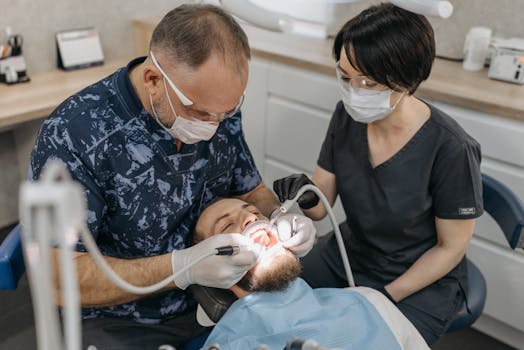
Let’s be honest, navigating the world of dental insurance can feel a bit like trying to floss with a particularly stubborn piece of popcorn kernel. You know it’s important, you know you should do it, but sometimes the sheer complexity makes you want to just… ignore it. But ignoring your oral health, or the cost of keeping it healthy, is rarely a good long-term strategy. That’s where a smart dental insurance plans comparison comes in. It’s not just about picking the cheapest option; it’s about finding a plan that fits your needs, your smile, and your budget.
Why Bother Comparing Dental Insurance Plans? It’s Not Just About Pearly Whites!
Think of dental insurance as a safety net for your mouth. While brushing and flossing are your daily heroes, unexpected heroes (like cavities, root canals, or even just routine check-ups that reveal more than you’d hoped) can swoop in. Without insurance, these heroes can come with a hefty price tag. A thorough dental insurance plans comparison helps you understand what’s covered, what you’ll pay out-of-pocket, and how to get the most value for your hard-earned cash. It’s about proactive care, preventing minor issues from becoming major (and expensive) problems, and ultimately, keeping your smile shining bright.
Unpacking the Lingo: What Are You Actually Looking At?
Before you dive headfirst into the comparison pool, it’s helpful to understand some of the key terms. Think of this as your dental insurance Rosetta Stone:
Premiums: This is the amount you pay regularly (usually monthly) to keep your insurance active. It’s like your gym membership fee, but for your teeth.
Deductibles: This is the amount you pay out-of-pocket before your insurance kicks in for certain services. Some plans have low deductibles, others have higher ones. The trade-off is often seen in the premium.
Copayments (Copays): This is a fixed amount you pay for a specific service after your deductible has been met. For example, you might have a $20 copay for a dentist visit.
Coinsurance: This is your share of the costs for a covered healthcare service, calculated as a percentage. If your insurance covers 80% of a procedure, your coinsurance is the remaining 20%.
Annual Maximum: This is the most your insurance plan will pay for your dental care in a year. Once you hit this limit, you’ll be responsible for 100% of the costs for the rest of the year. This is a big one to watch out for!
Waiting Periods: Some plans have a waiting period before certain benefits (like major restorative work) become available. This prevents people from signing up, getting expensive work done, and then cancelling.
The Nitty-Gritty: Key Factors in Your Dental Insurance Plans Comparison
When you’re comparing, don’t just glance at the numbers. Dig a little deeper.
#### 1. Coverage Tiers: From Cleanings to Crowns
Dental plans typically categorize services into different tiers. Understanding these is crucial for your dental insurance plans comparison:
Preventive Care (Often 100% Covered): This is usually the star of the show and includes things like routine exams, cleanings, and X-rays. Most good plans cover these at a high percentage, often 100%, because they know prevention is key.
Basic Restorative Care (Often 70-80% Covered): This tier covers more common procedures like fillings, simple extractions, and root canals. Expect to pay a portion of the cost here.
Major Restorative Care (Often 50-60% Covered): This is for the big stuff: crowns, bridges, dentures, and oral surgery. These are the most expensive procedures, and your insurance will typically cover a smaller percentage.
#### 2. Network vs. Out-of-Network: The ‘In’ Crowd and the ‘Outsiders’
Most dental insurance plans operate on a network system.
In-Network Dentists: These are dentists who have a contract with your insurance provider. You’ll generally pay less for their services because the insurance company has negotiated rates with them. This is usually the most cost-effective route for your dental insurance plans comparison.
Out-of-Network Dentists: You can still see dentists outside your plan’s network, but it will almost always cost you more. The insurance company will reimburse you, but at a lower rate, and your out-of-pocket expenses will be higher. Sometimes, the difference is so significant it feels like a punch to the wallet.
#### 3. What’s Missing? The Exclusions to Watch For
No plan is perfect, and most have exclusions. These are services that your dental insurance simply won’t cover. Common exclusions include:
Cosmetic procedures (like teeth whitening, unless medically necessary)
Orthodontics for adults (sometimes included for children)
Experimental treatments
Lost or stolen dentures
Pre-existing conditions (though this is less common with dental insurance than medical)
It’s vital to read the fine print here. What seems like a good deal upfront could leave you holding the bag for a procedure you thought was covered.
#### 4. The Dreaded Annual Maximum: Don’t Get Caught Out!
This is where many people get surprised, and not in a good way. If your plan has an annual maximum of, say, $1,000, and you need a crown that costs $1,500, your insurance will pay its portion up to $1,000, and you’ll be responsible for the rest. For individuals with good dental health, this might be fine. But for families or those who know they have upcoming dental work, a higher annual maximum is a serious consideration in your dental insurance plans comparison.
Making the Smart Choice: Tips for Your Comparison Journey
So, how do you cut through the noise and make an informed decision?
Assess Your Needs: Are you a regular dental visitor, or do you tend to go only when something is actively wrong? Do you have any known issues that might require more extensive work soon? Do you have children who might need braces? Be honest with yourself.
Review Your Current Dental Habits: How often do you visit the dentist? What types of procedures have you had in the past? This can give you a good indication of future needs.
Check Your Preferred Dentist’s Network Status: If you have a dentist you love, find out if they are in-network with the plans you’re considering. It’s often worth a phone call to the dental office to confirm.
Compare Apples to Apples: Look at the premiums, deductibles, copays, coinsurance, annual maximums, and waiting periods side-by-side. Don’t get swayed by a low premium if the coverage is skimpy elsewhere.
* Read Reviews (with a Grain of Salt): See what other people say about the insurance provider and their customer service. However, remember that individual experiences can vary widely.
## Wrapping Up Your Dental Insurance Plans Comparison Quest
Choosing the right dental insurance plan is a journey, not a sprint. It requires a bit of detective work, a willingness to read the fine print, and a clear understanding of your own oral health needs. By diligently comparing your options, you’re not just saving money; you’re investing in your long-term health and peace of mind. Don’t let the complexity deter you – a little effort now can lead to a lot of happy, healthy smiles down the road. So, go forth and compare, and may your dental journey be smooth, affordable, and cavity-free!
About the Author