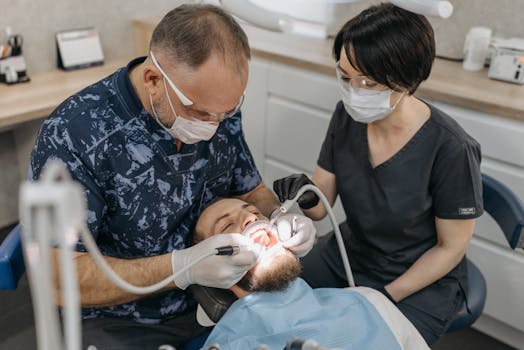
Let’s be honest, the phrase “dental cleaning” can conjure up images of scraping, whirring noises, and that slightly anxious feeling in the dentist’s chair. But what actually goes on during a professional teeth cleaning? And more importantly, why is it so crucial for keeping your pearly whites – and your overall health – in tip-top shape? Forget the fear factor; understanding the process is the first step to enjoying a truly healthy, gleaming smile. We’re here to demystify the magic that happens at your dental hygienist’s station, making it less of a chore and more of a celebrated step towards your best smile.
The “Why” Behind the Polish: More Than Just Pretty Teeth
Before we dive into the “how,” let’s tackle the “why.” Professional teeth cleanings, often called prophylaxis (a fancy word for preventative care), are designed to remove plaque and tartar that even the most diligent brushing and flossing can miss. Think of it as a superhero intervention for your mouth.
Plaque vs. Tartar: Plaque is that sticky, colorless film of bacteria that constantly forms on your teeth. If left unchecked, it hardens into tartar (or calculus), a much tougher substance that can’t be removed by brushing alone.
The Damage Deal: Plaque and tartar are the primary culprits behind cavities and gum disease. They irritate your gums, leading to inflammation, bleeding, and eventually, more serious issues.
Early Detection is Key: During a cleaning, your hygienist also gets a good look at your teeth and gums, spotting potential problems like early cavities or signs of gum disease before they become major headaches. This proactive approach is where the real value lies.
The Cleaning Commencement: What to Expect Step-by-Step
So, you’re in the chair. The bib is on, and you’ve braced yourself. What’s next? A well-trained dental hygienist is about to work their magic, and it’s a surprisingly gentle (though sometimes vigorous) process.
#### 1. The Preliminary “Glow-Up”: Visual Inspection and Dental Mirror
Your hygienist will start by looking around your mouth with a small mirror and good lighting. They’re checking for any obvious signs of trouble, like decay, cracks, or any changes in your gums. This initial assessment sets the stage for the rest of the cleaning.
#### 2. The Scraping Symphony: Removing Plaque and Tartar
This is the part many people associate with a cleaning. Using specialized instruments, your hygienist will carefully scrape away plaque and tartar. There are two main types of tools used:
Manual Scalers: These are hand-held instruments with sharp edges. They’re used to meticulously chip away at hardened tartar, especially in hard-to-reach spots. It might feel a bit ticklish or buzzy, but it’s generally not painful.
Ultrasonic Scalers: These use high-frequency vibrations coupled with a cool water spray to break down and wash away larger deposits of plaque and tartar. The water spray is essential; it cools the tip of the instrument and flushes away debris, which is why you’ll be asked to tilt your head and why there’s suction involved.
I’ve often found that patients who are nervous about this part are pleasantly surprised by how manageable it is. The key is good communication with your hygienist – let them know if anything feels uncomfortable!
#### 3. The Deep Dive: Polishing for That Sparkle
Once the bulk of the plaque and tartar is gone, it’s time for the polish. This is where your teeth get that super smooth, squeaky-clean feeling.
The Polishing Paste: Your hygienist will use a special polishing paste, often with a gritty texture (think a very mild toothpaste with a bit more oomph). This paste is applied with a rotating rubber cup or brush.
Buffing to Brilliance: The paste and the rotating tool work together to buff away any remaining surface stains and smooth out any rough spots, making it harder for plaque to stick around in the future. This step is also fantastic for removing those stubborn coffee or tea stains.
#### 4. The Rinse and Repeat: A Thorough Flush
After polishing, you’ll be given a rinse to clear away any remaining paste and debris. Your hygienist will then do a final visual check to ensure everything is sparkling and clean.
The “Extra Mile” Procedures: When More is Needed
While the basic cleaning is routine for most, sometimes your dentist or hygienist might recommend additional procedures:
#### Scaling and Root Planing: For Deeper Gum Issues
If gum disease has progressed to a more advanced stage, you might need a deeper cleaning called scaling and root planing. This is essentially a more thorough version of the manual scaling described earlier.
Scaling: This involves removing all plaque and tartar above and below the gum line.
Root Planing: This is a smoothing process for the roots of your teeth. It removes irregularities where bacteria can hide and helps the gums reattach to the clean tooth surfaces. This procedure is usually done in quadrants of your mouth over multiple visits and may involve local anesthetic. It’s a crucial step in halting the progression of periodontal disease.
#### Fluoride Treatments: A Protective Shield
For individuals prone to cavities or with sensitive teeth, a fluoride treatment can be highly beneficial.
The Application: This typically involves a gel, foam, or varnish applied to your teeth after cleaning. You might have to hold it in your mouth for a minute or two.
The Benefit: Fluoride strengthens tooth enamel, making it more resistant to acid attacks from plaque bacteria and sugars. It’s like giving your teeth a protective superhero cape!
#### Dental Sealants: Guarding the Grooves
Sealants are thin, plastic coatings applied to the chewing surfaces of back teeth (molars and premolars). These teeth have natural grooves and pits that can easily trap food particles and bacteria, making them prime targets for decay.
How They Work: The sealant acts as a barrier, creating a smooth surface that prevents food and plaque from getting stuck in these vulnerable areas. They are particularly effective for children and teenagers, but adults can benefit too.
Preparing for Your Cleaning: Tips from the Pro
Want to make your next cleaning appointment even smoother? Here are a few tips:
Brush and Floss Diligently (Before You Go): While a cleaning removes what you can’t, starting with a clean slate makes the hygienist’s job easier and more effective. Don’t skip your home care just because you have an appointment!
Stay Hydrated: Being well-hydrated can help your mouth produce more saliva, which is your body’s natural defense against bacteria.
Be Honest About Your Habits: Don’t be shy about mentioning your diet, any habits (like smoking or teeth grinding), or any concerns you have. Your dental team is there to help, not judge.
Ask Questions: This article is a great start, but don’t hesitate to ask your hygienist what they’re doing and why. Understanding the process empowers you.
Wrapping Up: Your Smile’s Best Friend
So, teeth cleaning procedures explained don’t have to be a mystery! They are a fundamental pillar of good oral hygiene, acting as both a therapeutic intervention and a vital preventative measure. From the meticulous scraping of tartar to the final polish that leaves your teeth feeling impossibly smooth, each step plays a crucial role in safeguarding your smile and your overall health. Don’t underestimate the power of these regular visits. Think of them as an investment in a lifetime of confident smiles and healthy living. Your mouth will thank you for it, and who knows, you might even start looking forward to that squeaky-clean feeling!
About the Author